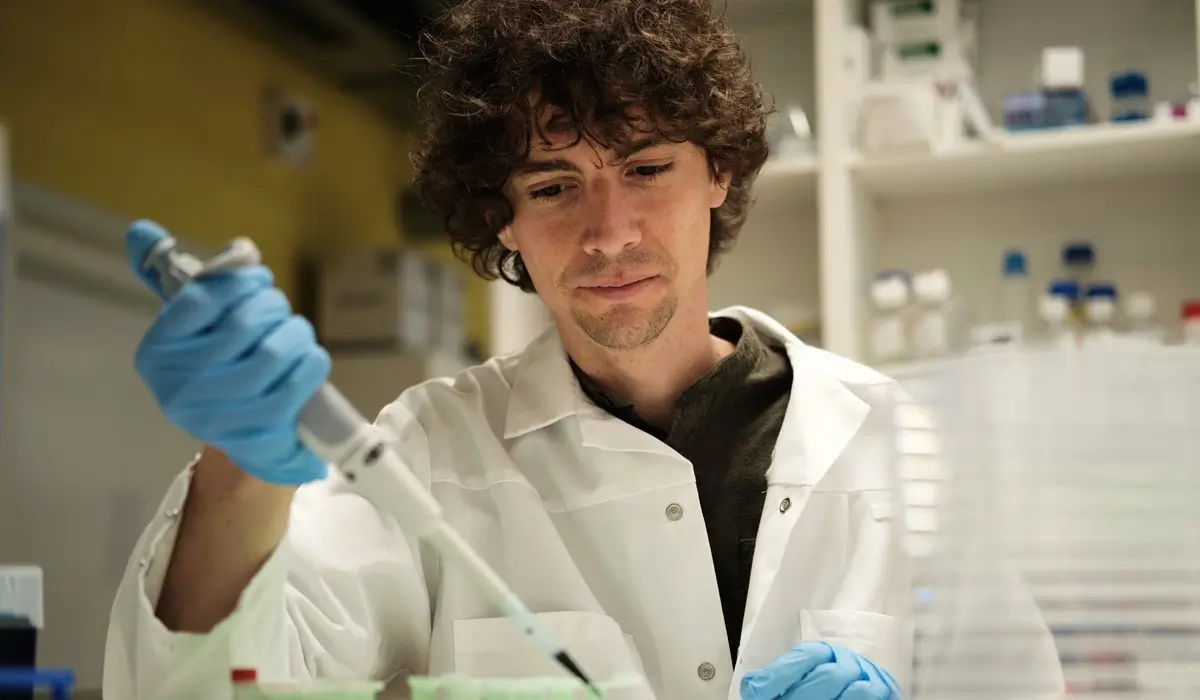
LIH scientist wins €1.5m ERC grant
Dr Ángel Álvarez-Prado studies how ageing and genetics influence brain cancer, with the aim of developing more personalised treatments.
 Abigail Okorodus
29/07/2026
The European Research Council (ERC) is the European Union's leading funding programme for pioneering research, supporting excellent researchers across all fields and encouraging the kind of risk-taking that can lead to scientific breakthroughs.
Dr Álvarez-Prado, who joined LIH in January 2025 to lead the Translational Cancer Immunogenomics group, has been awarded an ERC grant for his IMMUNAGENOMICS project, which started in February 2026 and will run for five years, until 2031. It focuses on brain metastases, cancers that spread to the brain from primary tumours such as breast, lung and skin cancer.
"Brain metastases are especially difficult to treat," Dr Álvarez-Prado explains. Between 30 and 40% of cancer patients will develop them, and that share keeps growing precisely because primary cancers are being treated more successfully: patients survive longer, but some cancer cells escape treatment and can form a brain tumour years, even decades, later.
Immunotherapy can work against these tumours, but only in a subset of patients. The project sets out to understand why, by investigating how ageing affects anti-tumour immune responses, and how the genetic mutations tumours accumulate as they evolve shape their interaction with the immune system.
If successful, the project will map specific age ranges and genetic mutations onto specific responses to immunotherapy. Because brain metastases are hard to biopsy, doctors could instead rely on the genetic profile taken when a patient's original tumour was removed, combined with their age, to choose a more effective treatment if a brain metastasis develops years later. "The project will help us develop more specific personalised therapies for these patients," Dr Álvarez-Prado says, while cautioning that translating lab findings into treatment takes time.
A solid project backed by years of research
Dr Álvarez-Prado trained in biotechnology and molecular biomedicine before completing a PhD in fundamental immunology, studying how normal immune responses can go wrong and cause lymphomas. During his postdoc in Switzerland, he shifted focus to the tumour microenvironment, the healthy cells surrounding a tumour, and how they can be exploited therapeutically. That work, on brain cancer, set the direction for the lab he now leads at LIH.
He wrote the ERC grant proposal during the two months between finishing his postdoc and starting as a principal investigator, developing an idea he felt was too ambitious to pursue without a full team and dedicated funding. By the time he submitted it, he had secured a position in Luxembourg through the ATTRACT programme run by Luxembourg's National Research Fund (FNR), which supports researchers from abroad building independent teams with grants of up to €1.5 million over five years. That funding let him build directly on his postdoc work and later shape a solid, innovative ERC proposal.
Key facts: the ERC funding landscape
ERC-funded research has contributed to 14 Nobel Prizes, 7 Fields Medals and 11 Wolf Prizes, and has generated more than 200,000 scientific articles, over 2,200 patents and other IP applications and over 400 start-ups.
The scheme offers several grants of up to five years, tailored to different career stages:
- Starting Grant: up to €1.5M, for researchers up to 10 years after their PhD.
- Consolidator Grant: up to €2M, for researchers 5–15 years after their PhD.
- Advanced Grant: up to €2.5M, for established Principal Investigators with a strong track record.
- Synergy Grant: up to €10M over six years, the only scheme for a group of 2 to 4 Principal Investigators combining complementary expertise on a single ambitious project.
- Proof of Concept Grant: €150,000 over 1.5 years, open to existing ERC grant holders to help bridge the gap between research and market-ready innovation.
Luxembourg has secured 33 ERC grants since 2011, led by 22 Principal Investigators and worth more than €55 million in total, with a success rate of 17%, placing it 5th among EU Member States and Associated Countries. Competition keeps intensifying: the 2026 Starting Grant call saw a 22% rise in applications compared to 2025, itself up 13% on the year before.
"Given Luxembourg's small size and limited resources, the ERC plays a crucial role in strengthening the country's research capacities, attracting and retaining top talent and fostering interdisciplinary collaborations," says Clarissa Gomes, Advisor European Funding at Luxinnovation.
A demanding but enriching process
Dr Álvarez-Prado describes the application as demanding, since every detail matters, but also enriching. Once he had a draft and a clear experimental plan, he sought feedback from scientists within and outside cancer immunology. "What sounds right in your head usually has flaws," he says, adding that external perspectives improved both the proposal and his own thinking.
He credits the application's success to several factors:
- brain metastasis is a growing public health issue as populations age;
- his team has the right tools and expertise to make significant advances in the field;
- the proposal was written clearly enough for reviewers outside his specific niche;
- the project has clear societal impact.
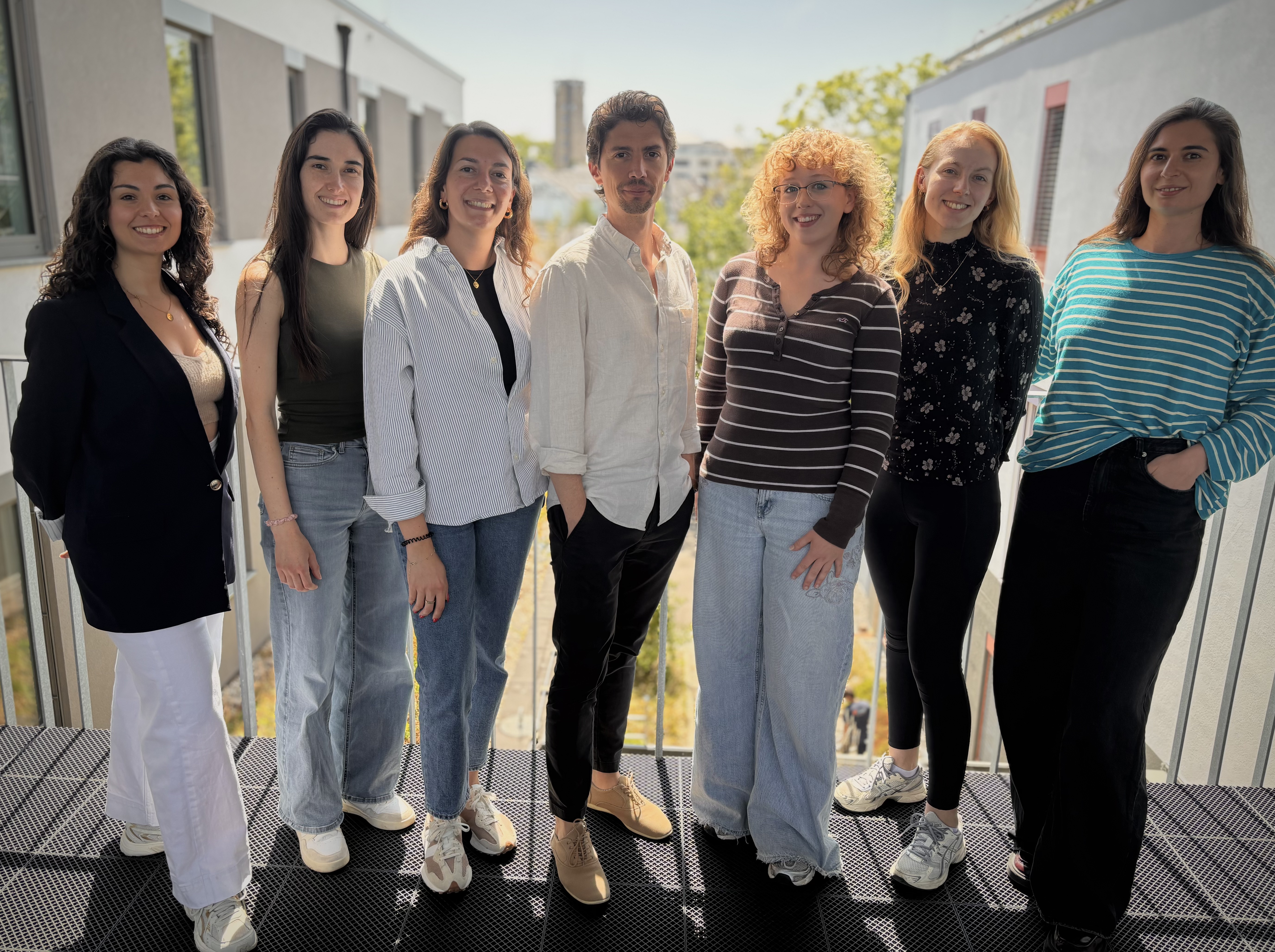 Two challenges stood out along the way. The hardest part of putting the application together, he says, was the budget, since costing a team, equipment and services was somewhat new to him. He got support from former mentors, senior colleagues, and LIH's dedicated European funding department to overcome this. The second challenge came after the grant was awarded: building the team. IMMUNAGENOMICS now employs three people full time, but recruitment proved harder than expected, as finding people with the right technical expertise and motivation for such a challenging project took longer than anticipated, though Dr Álvarez-Prado is now satisfied with the team in place.
ERC opens doors
Dr Álvarez-Prado sees the ERC grant as a source of visibility as much as funding, opening doors to new collaborations. Looking ahead, positive results could lead the team to apply for an ERC Proof of Concept grant to translate findings into therapeutic strategies, a step he estimates is still two to three years away.
He is positive about Luxembourg's research environment: "What Luxembourg is doing extremely well is investing resources in bringing talent from abroad and doing translational research," he says, noting that this is central to LIH's strategy and to personalised medicine as a national research priority. “Thanks to a clear strategy and appropriate support we’re going in the right direction,” he concludes.
To learn more about the ERC and other Horizon Europe funding opportunities, researchers are encouraged to get in touch with Luxinnovation, the national contact point for European programmes, and to attend the Horizon Europe Day in November 2026.