CCUS / CDR: an ecosystem in development
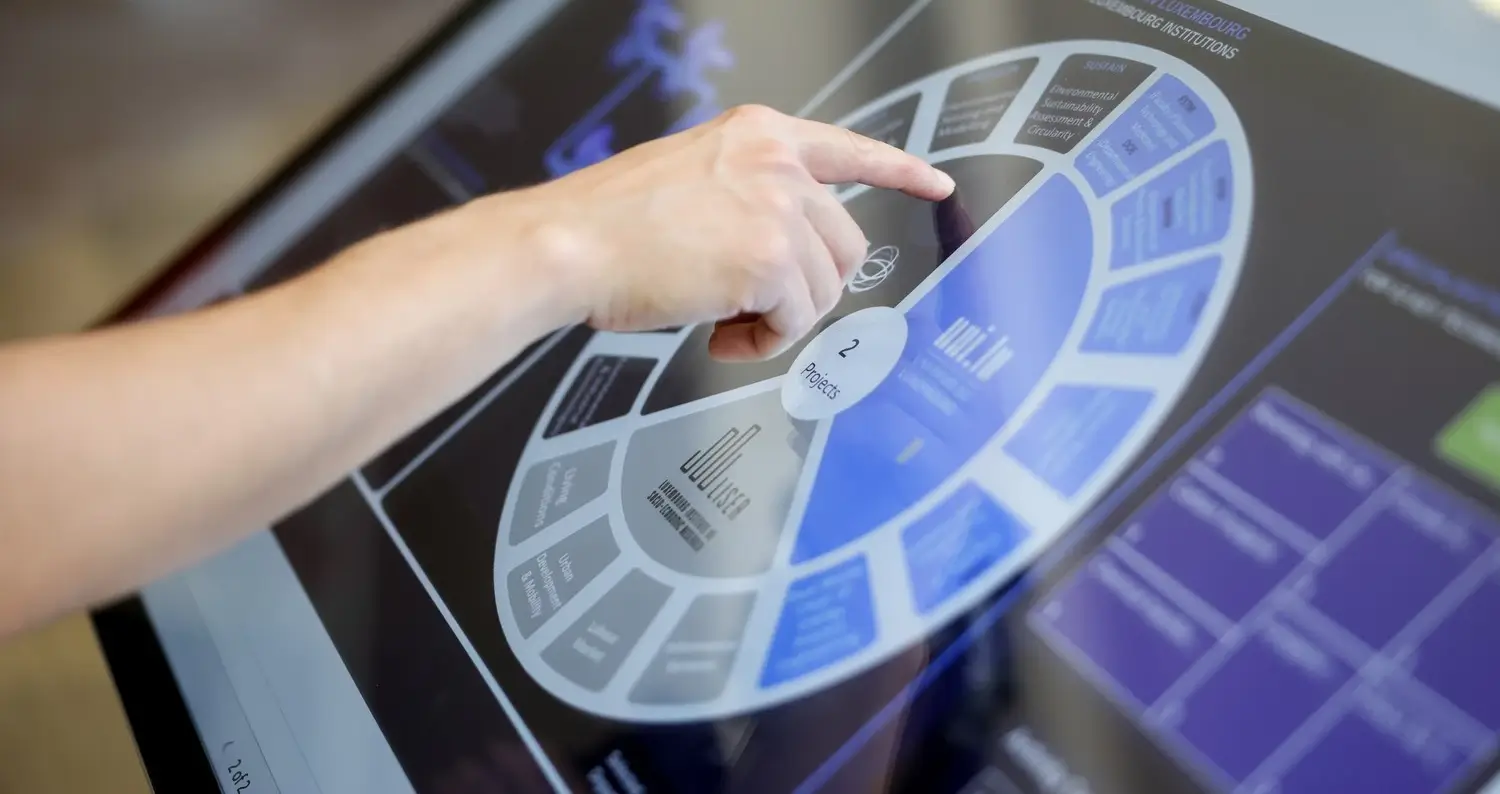
Luxinnovation has conducted a comprehensive mapping of its national ecosystem dedicated to carbon capture, utilisation and storage (CCUS) and carbon dioxide removal (CDR).
 Jean-Michel Gaudron
02/07/2026
CCUS (carbon capture, utilisation and storage) encompasses technologies that capture CO₂ emitted by industrial processes or energy production, then repurpose it in industrial products or processes, or store it permanently. CDR (carbon dioxide removal) refers to methods that directly remove CO₂ from the atmosphere, either through natural or technical processes, for sustainable storage.
These technologies are increasingly acknowledged by scientific and political entities as essential tools for achieving climate neutrality, particularly in tackling residual emissions from sectors that are challenging to decarbonise.
This is why Luxinnovation’s Market Intelligence team explored the subject, producing an in-depth map of this ecosystem. "The mapping aims to inspire entities by helping them understand the ecosystem and how various players are positioned across the value chain," explains Samira Bouzid, Junior Market Intelligence Analyst at Luxinnovation.
The mapping was unveiled during the latest edition of Klimapakt fir Betriber Day.
39 organisations across six value chain stages
The mapping identifies 39 organisations active in Luxembourg, categorised within six stages of the CCUS & CDR value chain: source, capture, transport, storage, utilisation, and monetisation.
These organisations fall into two complementary groups:
- 21 value chain actors – Organisations whose core mission is decarbonisation, directly involved in CCUS or CDR activities.
- 13 enablers – Organisations supporting ecosystem deployment through technology, services, or specialised expertise.
Additionally, 13 "dual-role" actors were identified—organisations simultaneously engaged in operational activities while offering enabling solutions.
Three key insights from the mapping
An ecosystem with a strong "advisory" focus
The mapping highlights the predominance of facilitators: over 60% are consultants or advisors. This advisory profile suggests an ecosystem where knowledge and expertise drive CCUS market activation in Luxembourg. This consulting role is bolstered by technological specialisation, with Data Analytics and ESG Consulting standing out as key areas.
Capture and storage: pivotal steps
Samira Bouzid notes, "Capture and storage form the ecosystem’s core axis." Organisations involved in the capture stage (5 entities) frequently extend their activities into storage (6 entities), which emerges as the most prominent valorisation stage in the mapping.
Luxembourg’s unique context is evident here: lacking geological storage capacity, storage solutions primarily rely on natural methods. Construction materials play a significant role in integrating captured carbon, presenting promising opportunities for Luxembourg’s construction industry.
A project activity focused on capture and storage
Project analysis confirms this focus: capture (38 projects) and storage (35 projects) dominate ecosystem activity. Capture is the essential entry point for carbon valorisation, while storage addresses the need for innovative alternatives in a country without suitable geology for underground storage.
A tool for networking and financing
Beyond providing a snapshot of the ecosystem, the mapping opens up tangible opportunities for action for Luxinnovation. Specifically, it enables connections between CO₂-emitting actors who lack capture or recovery solutions and facilitators, potential partners, and research centres.
The analysis provides valuable insights for all stakeholders and serves as a basis for fostering collaboration in Luxembourg and beyond, with neighbouring partners and ecosystems. Samira Bouzid, Luxinnovation
The goal is straightforward: to help these entities evaluate their positioning, enhance their innovation capabilities, and shape their decarbonisation pathways. "The mapping also guides these actors towards suitable public funding mechanisms, whether through national programmes or European initiatives," explains Bouzid.
An information webinar oo 22 September
This mapping is part of a broader collective reflection on the CCUS & CDR ecosystem, undertaken in collaboration with companies and ministries in Luxembourg. It underscores the strategic importance of the topic in a country with ambitious decarbonisation goals and a commitment to structuring its CCUS & CDR ecosystem. "The analysis provides valuable insights for all stakeholders and serves as a basis for fostering collaboration in Luxembourg and beyond, with neighbouring partners and ecosystems," adds Bouzid.
Luxembourg’s cross-border ambitions are particularly evident within the Greater Green+ programme, which features a dedicated cleantech component. A webinar on CCUS and CDR themes, uniting companies from the Greater Region, is scheduled for 22 September, further cementing Luxembourg’s role as a regional collaboration hub.
Access the map and contribute to its enrichment
Luxembourg’s CCUS & CDR mapping is a dynamic resource, updated regularly. Organisations wishing to verify their inclusion, suggest additions, or identify potential partners are encouraged to contact Luxinnovation directly.
The complete mapping and detailed facts and figures of the ecosystem are available on the Luxinnovation website.
.jpg)