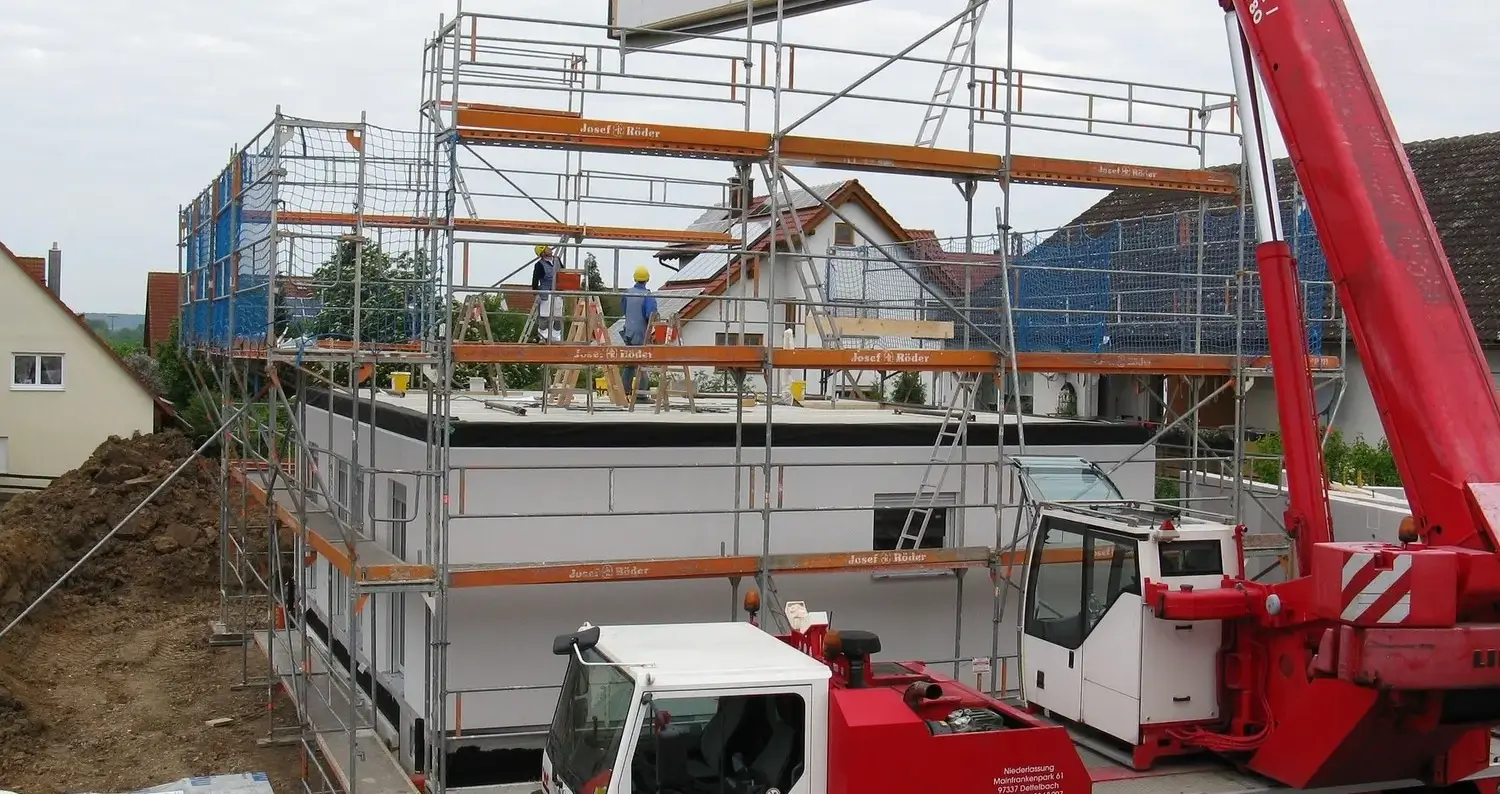
Construction: the off-site approach under the microscope
As part of the European Greater Green+ project, Luxinnovation is running an ideation workshop dedicated to this construction method in the Greater Region.
 Jean-Michel Gaudron
05/12/2025
In view of growing demands on construction sites and increasingly complex challenges, the so-called “off-site” approach – that is, the prefabrication of elements in a workshop or factory prior to their assembly on site – is gradually gaining ground in several European countries.
By combining efficiency, speed and quality, this method is poised to offer an appealing alternative to traditional construction techniques, particularly by enabling construction times to be reduced very substantially.
On paper, the arguments in favour of “off-site” are clear: waste reduction, better material management, optimised transport, reduced carbon footprint… In a general context of energy transition and strengthened standards, this “sustainability” dimension represents a major advantage.
To boost the off-site sector, it will be necessary to review the organisation of construction projects in general. Caroline Holz, Luxinnovation
At the same time, this construction method lowers overall costs (materials, labour, management) while improving quality thanks to a controlled factory environment and standardised production. All of this takes place in a safer setting, unaffected by weather conditions.
Traditions to be shaken up
However, in a construction sector still strongly rooted in traditional – sometimes even ancestral – practices, this paradigm shift and move towards a more industrial approach (standardisation, processes, modularity, etc.) is struggling to gain visibility.
“To boost the off-site sector, we will have to rethink the organisation of construction projects as a whole,” confirms Caroline Holz, Project Engineer at Luxinnovation. “Take calls for tenders, for example: the way specifications are structured means that, very often, off-site operators cannot even submit a bid. There are some excellent solutions that offer real benefits in addressing today’s construction challenges, but they must be given the space to put forward their proposals.”
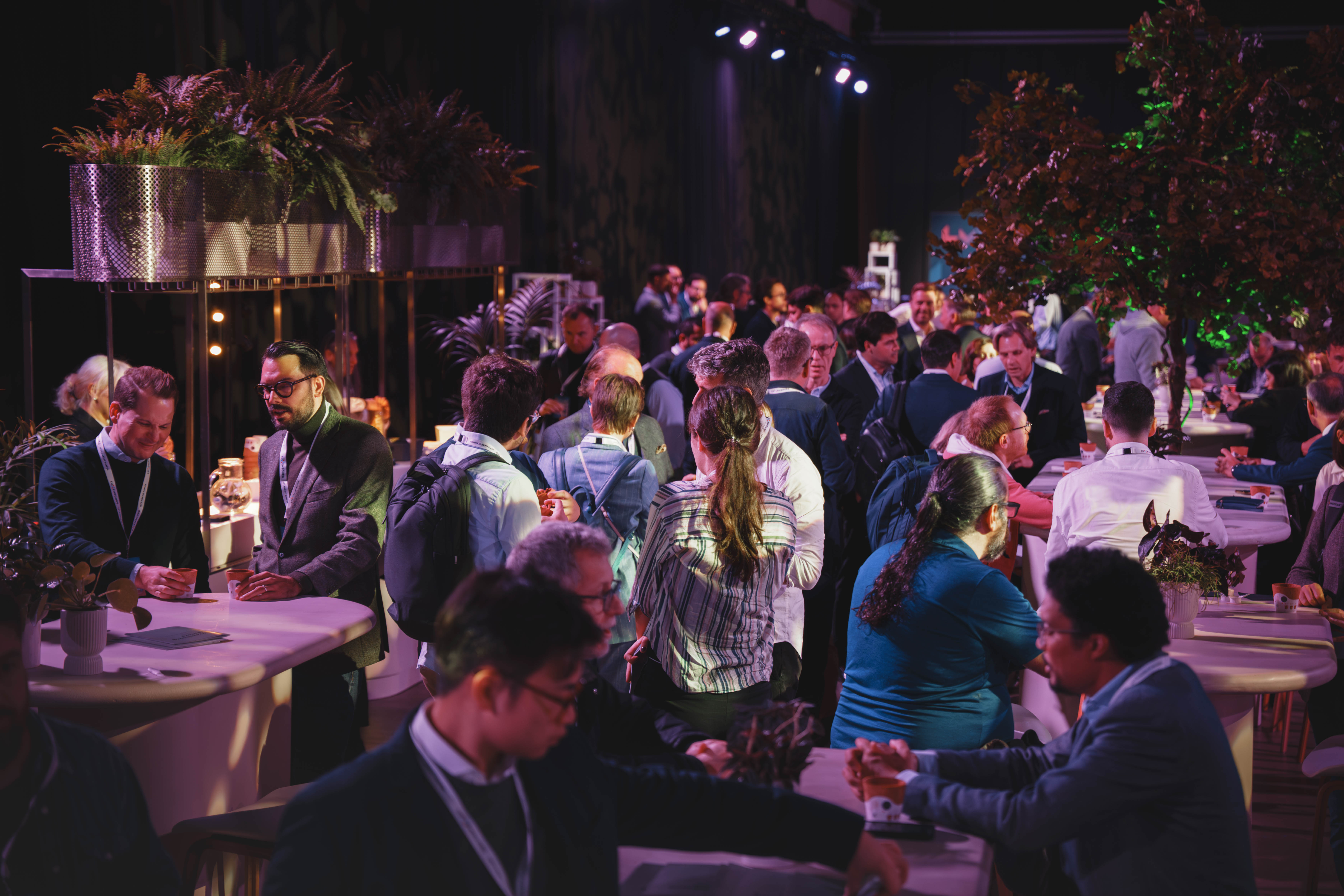
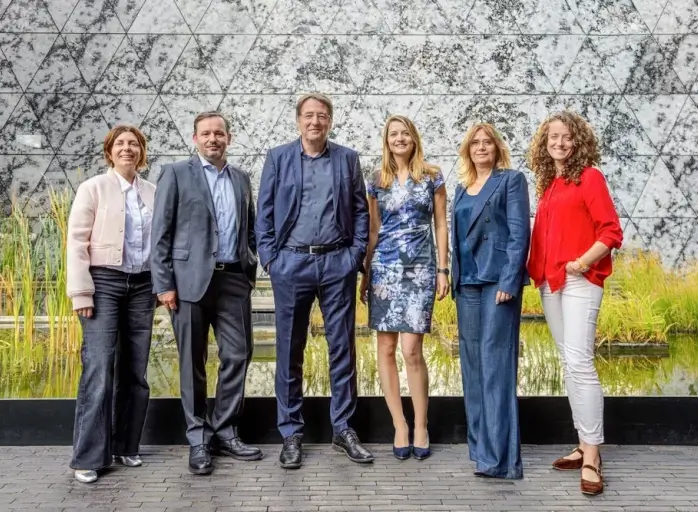
These were precisely the themes addressed by the dozen professionals who took part in the ideation workshop dedicated to off-site in the Greater Region, held in mid-November as part of the event “BIMLUX & Sustainable Construction for Resilient Cities”. The workshop, led by Luxinnovation and the consultancy Pétillances, formed part of the European Greater Green+ project(1), supported by the European Commission under the Interreg Greater Region 2021-2027 programme, which aims to position the Greater Region as a leading territory in the ecological transition in support of the circular economy and sustainable development.
“The discussions allowed us to explore the obstacles facing off-site activities and to better understand why stakeholders are reluctant to take the plunge and adopt this method more widely. Some ideas will now be able to take root and perhaps lead to collaborative projects at the scale of the Greater Region, or even Europe.” The aim is to promote off-site construction as a complement to traditional methods, in the service of decarbonisation, and as a driver of industrial transformation for companies.
Acting on all levels
But there is still a long road ahead. Often, for ease and to save time (and therefore money), engineers and architects rely on automated procedures for specifications and form templates. These databases have been built up over many years by gathering real-world experience and capitalising on completed projects within design offices, so starting again from an almost blank slate can seem lengthy and risky. “There is a real need for awareness-raising to encourage prescribers to revisit the development of these documents and to integrate this off-site dimension. Those who have already done so do not regret it.”
At the legislative level, there are numerous areas where documentation, standards and processes could be improved. A large part is still reserved for conventional materials, whereas bio-based materials such as wood – widely used in off-site approaches – are not always fully recognised. Added to this is the fact that definitions of off-site vary from country to country, making it difficult to devise a common approach.
Luxinnovation has launched an initial study on the state of the art in regulations relating to off-site within the Greater Region. On the one hand, it highlighted a lack of collaborative culture (fragmented actors, resistance to change, non-interoperable digital tools) and, on the other, a fragmented value chain in which stakeholders are not mobilised from the earliest phases of a project.
There is inspiration to be found in areas where collaboration is strong and effective. Alexandre Folmer, Grand Est Développement
CAP Construction (the Walloon cluster bringing together all players in sustainable construction), with support from Luxinnovation, is currently conducting a second study specifically focusing on collaboration practices.
Organise a network
The November ideation workshop helped identify several avenues for further exploration, such as setting up a pilot off-site project close to a construction site; developing a tool to size structures according to materials, in order to avoid oversizing and control additional costs; or establishing a professional network for the off-site sector.
“Integrating off-site services from the moment a project is commissioned, with clear and shared objectives, and promoting tools such as BIM and collaborative platforms to facilitate exchanges are other relevant avenues,” notes Alexandre Folmer, Greater Green+ project manager at the French regional agency Grand Est Développement. “Inspiration can be drawn from sectors where collaboration is strong and effective, but also from international models where off-site is already well established and where collaborative governance is a success factor.”
All these themes will form the basis of the second part of this ideation workshop, scheduled for 10 December at the Chamber of Commerce, which will once again bring sector professionals around the table.
(1) With an overall budget of €6.5 million, Greater Green+ is structured around five themes: clean energy; sustainable construction and renovation; recycling technologies; water and the environment; bioeconomy. It brings together no fewer than 11 financial partners and 19 methodological partners.
.jpg)